Lymphatic Massage for Full-Body Water Retention What to Expect
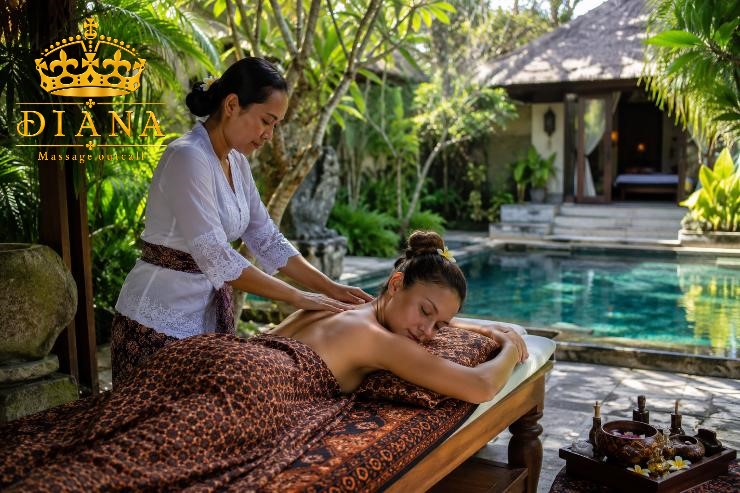
Lymphatic Drainage Water Retention is a topic many people explore after noticing swollen ankles, puffy legs, tight clothing, or an uncomfortable feeling of heaviness following a long flight or a busy day. If you have arrived in Bali after hours of sitting on an airplane, you may recognize the frustrating sensation of shoes feeling tighter than usual, even though your daily routine has barely changed.
For travelers and residents seeking a comfortable wellness experience, Bali Home Massage offers a convenient setting for relaxation without another journey through traffic. However, understanding why fluid accumulates, when lymphatic massage may help, and what results are realistic is essential before booking a treatment.
Unlike a traditional massage that focuses primarily on muscle tension, lymphatic drainage uses gentle, rhythmic movements intended to encourage the movement of lymphatic fluid. Although some people notice temporary improvements in swelling or comfort, the outcome depends on the underlying cause of fluid retention.
This guide explains what happens during a full body lymphatic massage, how to prepare, what sensations to expect afterward, and when swelling requires medical attention rather than massage.
Understanding Lymphatic Drainage Water Retention in Everyday Life
Water retention can make ordinary activities surprisingly uncomfortable. Your ankles may appear slightly larger in the evening, or your rings may feel tighter after spending several hours outdoors in warm weather.
In Bali, hot temperatures, long flights, extended sightseeing, and changes in daily routines can contribute to temporary fluid accumulation. Nevertheless, not every type of swelling has the same cause.
The lymphatic system helps return excess fluid from body tissues to the bloodstream. It also supports immune function by transporting immune cells and filtering lymph through lymph nodes.
When fluid movement is affected, swelling may develop. However, temporary water retention can also result from changes in circulation, sodium intake, medications, hormones, or medical conditions.
Understanding Lymphatic Drainage Water Retention begins with recognizing these differences. A massage may support fluid movement in certain circumstances, but it cannot correct every reason that the body retains water.
Why Does Water Retention Happen After Traveling?
Long periods of sitting can reduce the normal pumping action of the calf muscles. Consequently, fluid may accumulate around the feet and ankles.
Air travel can make this more noticeable, especially when movement is limited for several hours. Once you arrive, continued sitting or standing may prolong the uncomfortable sensation.
Warm weather can also encourage blood vessels near the skin to widen. As a result, more fluid may move into surrounding tissues, contributing to temporary swelling.
Although these changes are often harmless, sudden swelling, particularly in one leg, should never automatically be attributed to travel fatigue.
How Is Lymphatic Swelling Different from Ordinary Puffiness?
Mild puffiness caused by prolonged sitting may improve after walking, resting, or elevating the legs.
By comparison, lymphedema occurs when the lymphatic system cannot adequately transport fluid, often because lymphatic vessels or nodes have been damaged or did not develop normally.
This condition may cause persistent swelling, changes in skin texture, or a feeling of heaviness. Furthermore, it often requires specialized management rather than an ordinary spa treatment.
For individuals with diagnosed lymphedema, manual lymphatic drainage may form part of a treatment plan supervised by appropriately trained healthcare professionals.
How Does Lymphatic Drainage Water Retention Massage Work?
The main difference between lymphatic drainage and conventional massage is the pressure and technique.
A typical relaxation massage often uses kneading, compression, and deeper strokes to address muscle discomfort. In contrast, lymphatic drainage relies on light, controlled movements that gently stretch the skin.
These movements are designed to encourage fluid movement through functioning lymphatic pathways.
During a full body lymphatic drainage massage, the practitioner may work around the neck, abdomen, arms, and legs, depending on the treatment approach and the client’s needs.
Importantly, stronger pressure does not automatically produce better lymphatic drainage.
The lymphatic vessels involved in fluid collection are located close to the skin. Therefore, excessive pressure may be unnecessary or uncomfortable.
What Happens Beneath the Skin?
The lymphatic system collects fluid that remains between cells after normal circulation has delivered oxygen and nutrients to body tissues.
Small lymphatic vessels transport this fluid into larger channels. Eventually, lymph returns to the bloodstream.
Gentle muscle movement, breathing, and changes in tissue pressure help support lymph transport.
During Lymphatic Drainage Water Retention treatment, carefully applied manual movements aim to assist this natural process.
However, research does not establish that a general spa massage reliably eliminates ordinary water retention or produces permanent changes in body size.
Can Lymphatic Massage Remove Excess Water?
Some people experience a temporary reduction in swelling or a feeling of lighter limbs after appropriate lymphatic drainage.
Nevertheless, the body regulates its fluid balance through several systems, including the kidneys, heart, blood vessels, and lymphatic system.
Massage does not replace these functions.
Likewise, increased urination after a treatment is not proof that toxins have been removed or that the massage caused substantial fluid loss.
The most realistic goal is improved comfort and, where clinically appropriate, support for fluid management.
What to Expect During a Full Body Lymphatic Massage in Bali
Understanding the treatment process can help you choose a suitable service and avoid unrealistic expectations.
A professional Lymphatic Massage Bali experience should begin with a discussion about your health, current symptoms, and reasons for requesting the treatment.
This consultation is particularly important when swelling is the primary concern.
1. Initial Consultation and Health Screening
Before the session, the practitioner should ask whether you have experienced recent swelling, surgery, infections, cardiovascular conditions, or diagnosed lymphatic problems.
They may also ask about medications, pregnancy, recent travel, and previous massage experiences.
If you have unexplained swelling, the practitioner should recommend medical assessment rather than attempting to diagnose the cause.
A responsible treatment begins with safety, not with promises of immediate results.
2. Preparing a Comfortable Treatment Environment
For a home massage appointment in Bali, the treatment area should be clean, private, and comfortably ventilated.
A massage table, fresh linens, and appropriate draping help create a professional environment.
You may be asked to remove certain clothing while remaining covered throughout the session.
Furthermore, the practitioner should explain which areas will be treated and request your consent before beginning.
3. Beginning with Gentle Lymphatic Movements
Depending on the technique, treatment may begin with gentle movements around areas where lymphatic fluid normally drains.
The practitioner may then continue to other regions using slow, repetitive motions.
Unlike deep tissue massage, the pressure should generally feel light.
You should not need to tolerate significant pain for the treatment to be effective.
4. Working Through the Arms, Abdomen, and Legs
A full body lymphatic massage Bali session may include several body regions, although the exact sequence varies by practitioner and individual needs.
The arms and legs may receive gentle strokes intended to support fluid movement.
Abdominal techniques may also be included when appropriate, but they should not be performed without considering medical history, recent surgery, pregnancy, or abdominal discomfort.
If your main concern is swollen ankles after traveling, the practitioner should explain how the proposed treatment relates to your symptoms.
5. Finishing the Session and Reviewing Your Comfort
Toward the end of the appointment, the practitioner may repeat selected movements before allowing you time to sit up slowly.
Some clients describe feeling relaxed or less heavy afterward.
Others notice little immediate change, particularly when their swelling has causes that massage cannot address.
A professional practitioner should explain that individual results vary and avoid promising dramatic reductions in measurements.
Potential Benefits of Lymphatic Drainage Water Retention Massage
People often seek lymphatic massage because they want practical relief from uncomfortable swelling rather than another general wellness treatment.
However, the strength of evidence varies depending on the condition being treated.
1. Supporting Fluid Management in Appropriate Conditions
Lymphatic Drainage Water Retention techniques may be useful within professionally supervised care for certain lymphatic disorders.
For example, manual lymphatic drainage is sometimes included in comprehensive lymphedema management alongside compression, exercise, and skin care.
Its added benefit varies across patients and clinical situations.
For ordinary temporary puffiness, the evidence is more limited. Therefore, a reduction in swelling should be considered a possible outcome rather than a guaranteed benefit.
2. Promoting a Sense of Relaxation
Gentle, rhythmic touch can create a calming massage experience.
After traveling, sightseeing, or spending a busy day outdoors, this relaxation may be especially welcome.
Moreover, a comfortable environment and unhurried session may help reduce the perception of physical tension.
Although relaxation does not prove that excess fluid has been removed, it remains a meaningful reason to choose a wellness massage.
3. Improving Comfort in Heavy or Tired Legs
People experiencing mild temporary swelling sometimes describe their legs as heavy or uncomfortable.
Appropriate gentle massage may provide temporary subjective relief.
However, persistent heaviness accompanied by swelling should be evaluated to identify possible venous, lymphatic, or other medical causes.
For some conditions, compression therapy or movement may be more important than massage.
4. Encouraging Greater Awareness of Body Changes
A treatment consultation provides an opportunity to discuss when swelling occurs and what seems to make it worse.
For instance, you may notice that your ankles become puffier after sitting for long periods but improve after walking.
Recognizing these patterns can help you make practical lifestyle adjustments.
Nevertheless, massage therapists should not diagnose medical conditions based on swelling patterns alone.
5. Providing a Convenient Wellness Option in Bali
For travelers who prefer not to visit a spa after a long journey, lymphatic massage at home in Bali can offer practical convenience.
A home appointment may reduce additional travel and allow you to rest afterward.
However, convenience should never replace proper health screening, practitioner qualifications, and hygienic treatment practices.
How Long Does It Take to Notice Results?
One of the most common questions about Lymphatic Drainage Water Retention is how quickly visible changes appear.
The answer depends on why the swelling developed.
Someone experiencing mild temporary puffiness may notice changes after moving, resting, or receiving gentle massage.
Meanwhile, an individual with chronic lymphedema may require ongoing clinical management and may not experience a visible difference after one session.
Immediately After the Massage
Some clients feel relaxed, comfortable, or less aware of heaviness in their limbs.
Occasionally, an area may appear less puffy.
However, an immediate visual change does not establish that the treatment has corrected the underlying fluid imbalance.
During the Next 24 Hours
Temporary swelling may fluctuate naturally throughout the day.
Activity, temperature, salt intake, body position, and hydration can all influence these changes.
Consequently, it is difficult to attribute every improvement to a single massage session.
After Multiple Sessions
People with diagnosed lymphatic conditions may receive repeated manual lymphatic drainage as part of a broader treatment program.
In contrast, there is no universally established number of spa massage sessions needed to resolve ordinary water retention.
Avoid packages that promise permanent results after a fixed number of treatments without evaluating the cause of swelling.
Practical Experience: A Common Bali Travel Scenario
Consider an illustrative scenario based on a common travel situation rather than a documented individual case.
A visitor arrives in Bali after a long international flight. By the evening, both ankles feel slightly swollen, and the visitor notices that their sandals fit more tightly.
After resting overnight, the swelling improves somewhat. However, another day of sitting in a vehicle and walking in hot weather makes the discomfort noticeable again.
The visitor begins researching Lymphatic Drainage Water Retention because they want to understand whether a full body massage could help.
Step 1: Recognizing the Pattern
The first useful observation is that the swelling affects both ankles and changes with activity and body position.
This pattern can occur with temporary dependent swelling.
Nevertheless, it cannot establish the diagnosis. A clinician should assess swelling that is unexplained, persistent, worsening, or accompanied by other concerning symptoms.
Step 2: Considering Simple Measures
Before arranging a massage, the visitor tries gentle walking, resting with the legs elevated, and drinking water normally.
These measures may help with uncomplicated travel related swelling.
However, they are not substitutes for medical care when symptoms suggest a more serious problem.
Step 3: Choosing a Suitable Treatment
If the swelling is mild, improving, and there are no warning signs or relevant contraindications, the visitor may choose a gentle relaxation or lymphatic massage.
A qualified practitioner explains the technique, asks about medical history, and avoids making medical promises.
The session focuses on comfort rather than dramatic body contour changes.
Step 4: Evaluating the Outcome
Afterward, the visitor may feel relaxed and notice less discomfort.
However, any improvement could reflect several factors, including rest, movement, elevation, and natural fluid redistribution.
This example illustrates why realistic expectations matter.
Lymphatic Drainage Water Retention massage should be understood as a potentially supportive approach, not a guaranteed solution for every swollen ankle or puffy limb.
Practical Tips for Managing Water Retention Before and After Massage
A useful wellness routine should extend beyond the treatment table.
Although massage may provide comfort, everyday movement and appropriate medical care often play a larger role in managing fluid accumulation.
Stay Hydrated Without Forcing Extra Water
Drink enough fluids to meet your normal needs, particularly in Bali’s warm climate.
However, drinking excessive water does not automatically flush retained fluid from the body.
If you have kidney disease, heart failure, or a medically prescribed fluid restriction, follow your healthcare professional’s guidance.
Move Regularly During Long Travel Days
Walking activates the calf muscles, which help move blood back toward the heart.
During long flights or extended sitting, take safe opportunities to move your ankles and change position.
For many travelers, these simple habits are more useful than remaining seated for several uninterrupted hours.
Elevate Your Legs When Appropriate
If you experience mild dependent swelling, resting with your legs elevated may improve comfort.
Choose a position that does not strain your back or knees.
However, elevation should not delay assessment of sudden, painful, or unexplained swelling.
Be Mindful of Sodium Intake
Restaurant meals, packaged snacks, and heavily salted foods may contribute to temporary fluid retention in some individuals.
A balanced eating pattern can support normal fluid regulation.
Nevertheless, severe sodium restriction is not appropriate for everyone, especially those with certain medical conditions.
Avoid Aggressive Massage on Swollen Areas
Swelling does not mean that stronger massage is needed.
In fact, painful deep pressure may irritate sensitive tissues.
If swelling is unexplained, seek medical advice before receiving massage.
Do Not Rely on Detox Claims
Some wellness advertisements suggest that lymphatic massage removes stored toxins or rapidly eliminates body fat.
These claims oversimplify normal physiology.
The liver and kidneys play major roles in processing and eliminating waste, while the lymphatic system transports fluid and supports immune function.
Massage should not be marketed as a substitute for these processes.
When Should You Avoid Lymphatic Drainage Massage?
Safety is especially important when discussing Lymphatic Drainage Water Retention, because swelling can occasionally indicate a serious medical condition.
Do not proceed with massage before appropriate medical assessment if you experience:
- Sudden swelling in one leg, particularly with pain, warmth, or redness.
- Chest pain, shortness of breath, or coughing blood, which require emergency medical attention.
- Fever, spreading redness, or suspected skin infection.
- Rapidly worsening or unexplained swelling.
- Symptoms suggesting uncontrolled heart failure or another serious circulation problem.
If you have a history of blood clots, heart or kidney disease, cancer treatment, recent surgery, or diagnosed lymphedema, consult your treating clinician before booking.
Pregnant clients should also choose appropriately trained professionals and discuss new or significant swelling with their maternity care provider.
A responsible Lymphatic Massage Bali service should respect these precautions rather than treating every form of swelling as a routine spa concern.
How to Choose a Professional Lymphatic Massage in Bali
Choosing the right practitioner is more important than selecting a treatment based only on promotional claims.
First, ask whether the practitioner has specific training in lymphatic drainage techniques.
Next, clarify whether the service is intended for general relaxation or clinical lymphatic management.
These are not necessarily interchangeable.
Check Training and Experience
A practitioner offering wellness massage may have different qualifications from a certified lymphedema therapist.
If you have a diagnosed lymphatic disorder, seek someone with appropriate clinical training.
For general relaxation, ask about technique, hygiene, client screening, and experience with gentle massage.
Ask What the Session Includes
Before booking full body lymphatic drainage massage in Bali, clarify the expected duration, areas treated, pressure level, and any exclusions.
A full body session does not necessarily mean that every body region will receive equal treatment time.
The approach should reflect your comfort, consent, and relevant health information.
Look for Realistic Explanations
Reliable practitioners avoid guarantees about instant weight loss, permanent slimming, or complete removal of retained fluid.
Instead, they explain the potential benefits and limitations.
They should also be willing to recommend medical assessment when symptoms fall outside their professional scope.
Consider the Convenience of Home Service
For visitors staying in a hotel, private villa, or residence, home lymphatic massage Bali may offer a comfortable alternative to traveling to a spa.
Confirm that the provider serves your location and can arrange a suitable treatment environment.
Additionally, check whether hotel or accommodation policies permit outside massage providers.
Lymphatic Drainage Water Retention vs Traditional Full Body Massage
Although both treatments may feel relaxing, they serve different purposes.
| Feature | Lymphatic Drainage Massage | Traditional Relaxation Massage |
|---|---|---|
| Pressure | Generally very light | Light to firm |
| Main technique | Gentle skin stretching and rhythmic movements | Stroking, kneading, and muscle manipulation |
| Primary focus | Supporting lymph movement when appropriate | General relaxation and muscle comfort |
| Typical sensation | Subtle, slow, and gentle | More noticeable muscle pressure |
| Suitability for swelling | Depends on the cause and medical screening | Not a treatment for unexplained swelling |
| Expected outcome | Possible comfort or swelling improvement in selected circumstances | Relaxation and temporary relief of muscle tension |
For individuals specifically researching Lymphatic Drainage Water Retention, the most appropriate choice depends on the cause of their symptoms.
If your main concern is muscle soreness after sightseeing, a traditional relaxation massage may better match your expectations.
However, if you have a diagnosed lymphatic condition, a clinically trained therapist may be more appropriate than a general spa practitioner.
Frequently Asked Questions About Lymphatic Drainage Water Retention
1. Does Lymphatic Drainage Massage Really Help Water Retention?
Lymphatic Drainage Water Retention massage may help manage swelling in selected situations, particularly when delivered appropriately as part of lymphedema care.
However, evidence for routine spa massage as a treatment for general water retention is limited.
The cause of swelling determines whether massage is suitable.
2. How Long Does Water Retention Last After Flying?
Mild swelling after prolonged sitting may improve within several hours or over the following day or two as normal movement resumes.
However, the duration varies.
If swelling persists, worsens, affects one leg disproportionately, or is associated with pain or redness, seek medical assessment promptly.
3. How Often Should You Get a Lymphatic Drainage Massage?
There is no universal schedule for everyone.
For diagnosed lymphedema, treatment frequency depends on clinical assessment and the broader management plan.
For general relaxation, frequency should reflect personal comfort, budget, health status, and practitioner advice rather than a promise of permanent fluid removal.
4. Can Lymphatic Massage Reduce Belly Bloating?
Abdominal bloating and fluid retention are not always the same problem.
Bloating commonly relates to digestive gas, constipation, food intolerance, or other gastrointestinal factors.
Although gentle massage may feel relaxing, lymphatic drainage is not an established treatment for every cause of abdominal bloating.
Persistent or painful abdominal swelling requires medical evaluation.
5. Is Lymphatic Drainage Massage Painful?
Proper manual lymphatic drainage generally uses gentle pressure and should not be painful.
You may notice light stretching or rhythmic movements across the skin.
If you experience pain, dizziness, nausea, or unusual discomfort, inform the practitioner and stop the treatment when necessary.
6. Can You Get Lymphatic Massage After a Long Flight?
Some travelers choose gentle massage after flying to relax and improve comfort.
However, recent long distance travel can increase the risk of blood clots in susceptible individuals.
Sudden leg swelling, especially when accompanied by pain, redness, or warmth, requires medical assessment before massage.
7. Does Lymphatic Drainage Help You Lose Weight?
Lymphatic drainage does not directly burn body fat.
Any temporary change in body measurements related to fluid movement should not be confused with fat loss.
For sustainable weight management, nutrition, physical activity, sleep, and appropriate healthcare support remain more relevant.
8. Can I Book a Full Body Lymphatic Massage at My Villa in Bali?
Some Lymphatic Massage Bali providers offer appointments at private villas, hotels, and residential properties.
Availability depends on the service area, practitioner schedule, and accommodation policies.
Before booking, confirm the provider’s qualifications, treatment details, health screening procedures, and whether the service is suitable for your needs.
Final Thoughts: Making the Right Choice for Your Body
Lymphatic Drainage Water Retention is worth understanding if you frequently experience puffiness, heavy legs, or temporary swelling after traveling.
However, effective fluid management begins with identifying why swelling occurs.
Gentle lymphatic drainage may provide relaxation and support selected fluid management needs, but it is not a universal treatment for water retention.
Furthermore, everyday habits such as regular movement, appropriate hydration, and adequate rest can make a meaningful difference to comfort during a Bali holiday.
For people with persistent or medically significant swelling, professional healthcare assessment should always come first.
If you are exploring Lymphatic Massage Bali, choose a practitioner who explains the treatment clearly, respects medical precautions, and provides realistic expectations.
To learn more about available wellness treatments and the convenience of private massage appointments, Visit Official Website for service information, explore the treatment options that suit your preferences, and when you are ready to discuss availability or ask questions about a suitable session, Contact Us for further assistance.