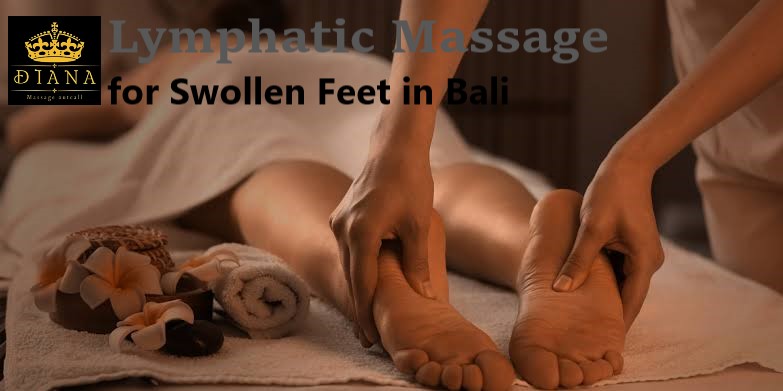
Lymphatic Massage for Swollen Feet can be a practical option when your feet and ankles feel unusually puffy after a long flight, road trip, or several days of sightseeing around Bali. You may notice your shoes suddenly feel tighter, your ankle bones look less defined, or your legs feel heavy after sitting for hours. This is especially common after long periods of travel when you spend much of the journey sitting and then suddenly become active again.
For many visitors, the problem becomes noticeable only after arriving at their hotel or villa. After spending hours on a plane, followed by airport transfers, walking, carrying luggage, and adjusting to Bali’s warm climate, the lower legs can feel uncomfortable. Instead of immediately choosing the strongest massage available, it is worth understanding what your body may need and when gentle lymphatic work may be appropriate.
At Relaxing Spa Bali, the practical question should never be simply whether you can book a massage. The more important question is whether the swelling appears consistent with temporary travel related fluid retention and whether massage is appropriate for your situation.
Why Do Feet and Ankles Swell After Traveling?
Travel related swelling is often connected to prolonged sitting or standing. When you sit for many hours, especially during air travel, fluid can accumulate in the lower legs and feet. Heat, changes in activity, salty foods, dehydration, and disrupted routines can also contribute to temporary puffiness.
The NHS notes that swelling in the feet, ankles, and legs can occur when fluid builds up in the tissues. Prolonged sitting or standing is among the common contributors.
This explains a familiar travel experience.
You arrive in Bali, take off your shoes, and suddenly notice that your feet look different from when you left home. Your ankles may appear thicker and your shoes may feel uncomfortable.
In many mild cases, movement, leg elevation, comfortable footwear, and allowing the body time to recover can help. Gentle walking is also commonly recommended for ordinary swelling because movement can support circulation.
However, not every swollen foot has the same cause. That distinction matters before considering Lymphatic Massage for Swollen Feet.
When Lymphatic Massage for Swollen Feet May Be Considered
A gentle lymphatic treatment may be considered when swelling appears mild and temporary, particularly when it follows prolonged sitting, travel, or changes in routine.
Lymphatic Massage for Swollen Feet uses gentle, rhythmic movements rather than the firm pressure associated with many traditional massage styles. Manual lymphatic drainage is specifically used in some clinical settings to help move lymph fluid and manage certain types of swelling.
This is one reason the technique can feel very different from a traditional Balinese massage or deep tissue treatment.
If your main problem is muscle soreness after hiking, surfing, or walking, a different massage approach may be more relevant. If the main complaint is temporary puffiness and a heavy sensation after prolonged sitting, a gentle lymphatic approach may be worth discussing with a qualified practitioner.
The key is not pressure.
Stronger does not automatically mean better.
What Does Lymphatic Massage for Swollen Feet Feel Like?
People booking Lymphatic Massage for Swollen Feet for the first time often expect firm pressure around the ankles.
That is usually not what they experience.
Lymphatic drainage techniques generally use light pressure and controlled movements. Cleveland Clinic describes lymph drainage massage as using light pressure and strategic techniques to encourage lymph movement.
From a practical perspective, the treatment can feel surprisingly gentle.
A therapist may work around different areas rather than repeatedly pressing directly on the most swollen point. The intention is to use an appropriate sequence and gentle movements instead of simply squeezing or aggressively kneading the swollen tissue.
This distinction is important for travelers who normally choose deep tissue massage.
If you tell a therapist that your feet are swollen after a flight, explain when the swelling started, whether both legs are affected, and whether you have any pain or unusual symptoms.
That information is much more useful than simply asking for the strongest massage available.
Lymphatic Massage for Swollen Feet After a Long Flight
A long flight is one of the situations where travelers commonly notice lower leg puffiness.
You may spend several hours sitting with limited leg movement. After landing, you might walk through a large airport, sit again during your transfer, and then spend the evening resting.
By the end of the day, your feet can feel heavy.
Lymphatic Massage for Swollen Feet may be considered as part of a broader recovery routine when the swelling is mild and there are no warning signs suggesting a medical problem.
Before booking a treatment, try a few simple measures.
Walk gently for several minutes.
Move your ankles through a comfortable range of motion.
Avoid sitting in the same position for extended periods.
Elevate your legs when resting.
Wear comfortable footwear that does not compress swollen areas.
These simple measures are also consistent with general advice for mild lower leg swelling.
Massage should complement these habits rather than replace them.
Why Bali Travel Can Make Swollen Feet More Noticeable
Bali introduces several changes at once.
You may come from a cooler climate and suddenly spend most of your day in warm, humid conditions. Your walking pattern may change dramatically. One day you may spend hours relaxing at your accommodation, while the next day involves temples, beaches, shopping areas, stairs, and long transfers.
Food and drink habits can change as well.
Travelers sometimes consume more restaurant food, salty snacks, or different meals than they normally eat. Sleep schedules can also change because of jet lag.
None of these factors automatically means that you need lymphatic treatment. However, together they can make temporary puffiness more noticeable.
This is why Lymphatic Massage for Swollen Feet should be viewed as one possible part of a sensible post travel wellness routine rather than a universal treatment for every swollen ankle.
Lymphatic Massage for Swollen Feet Compared With Deep Tissue Massage
Choosing the right massage depends on the problem you are trying to address.
If your main complaint is tight calf muscles after hiking, cycling, or extensive walking, a conventional therapeutic massage may be more appropriate.
If your main complaint is mild puffiness after prolonged travel, you may prefer to discuss Lymphatic Massage for Swollen Feet with a practitioner who understands the difference between lymphatic techniques and conventional massage.
Here is a practical comparison.
Lymphatic Massage
The movements are generally gentle, slow, and rhythmic.
The focus is on supporting lymph movement and managing certain types of swelling.
The experience is usually lighter than deep tissue massage.
Deep Tissue Massage
The treatment generally uses more direct pressure on muscles and soft tissues.
The focus is often muscle tension, stiffness, or soreness.
It may not be the first choice when the primary complaint is unexplained swelling.
The important point is that these treatments are not simply stronger and weaker versions of the same thing. They have different purposes.
A Practical Post Travel Routine for Swollen Feet
If you have mild swelling after traveling, start with the basics before assuming that massage is necessary.
1. Walk Gently
A short, comfortable walk can be useful after prolonged sitting.
You do not need an intense workout. The goal is simply to avoid remaining stationary for long periods.
2. Move Your Ankles
While sitting, gently point and flex your feet and make comfortable ankle movements.
This is particularly useful during long transfers or while waiting at an airport.
3. Elevate Your Legs
When you are resting at your villa or hotel, place your legs in a comfortable elevated position.
Leg elevation is among the measures recommended for ordinary ankle and foot swelling.
4. Stay Hydrated
Keep your normal fluid intake rather than deliberately restricting water because your feet look swollen.
Travel can disrupt normal eating and drinking routines, so returning to a regular routine can be helpful.
5. Avoid Tight Footwear
If your feet are already swollen, tight shoes can make you more uncomfortable.
Choose footwear that gives your feet enough room.
6. Consider Gentle Massage Only When Appropriate
If the swelling appears mild and temporary, Lymphatic Massage for Swollen Feet may be one wellness option to discuss with a practitioner.
Do not use massage as a substitute for medical assessment when symptoms are unusual, severe, sudden, or unexplained.
What a Good Lymphatic Massage Session Should Focus On
One of the most useful questions to ask before booking is not simply, “How much pressure do you use?”
Instead, ask how the practitioner approaches post travel swelling.
A knowledgeable therapist should understand that lymphatic massage is not simply pressing harder on swollen tissue.
During Lymphatic Massage for Swollen Feet, the practitioner should pay attention to your comfort, the location of swelling, when it began, and whether there are symptoms that make massage inappropriate.
The session should feel controlled rather than aggressive.
You should also be able to communicate throughout the treatment.
If the pressure feels uncomfortable, tell the therapist.
If something feels unusual, stop and reassess.
Realistic Experience From a Bali Travel Scenario
Consider a common situation.
A traveler arrives in Bali after a long international flight. She spends most of the flight sitting, then takes a car transfer to her accommodation. The following morning, she notices that both feet look slightly puffy.
There is no significant pain. The swelling is not concentrated in one leg. She otherwise feels well.
Instead of immediately booking an intense massage, she spends some time walking gently, elevates her legs while resting, drinks normally, and wears comfortable footwear.
Later, she decides to explore Lymphatic Massage for Swollen Feet as a wellness treatment.
During the consultation, she explains that the swelling began after travel and that both feet are affected. The practitioner uses a gentle approach rather than deep pressure.
This is the type of situation where the conversation before the massage is just as important as the massage itself.
It is not the massage alone that makes the decision sensible.
It is the combination of symptoms, timing, screening, and appropriate technique.
When You Should Not Book Lymphatic Massage for Swollen Feet
This is one of the most important sections for anyone searching for Lymphatic Massage for Swollen Feet after air travel.
Do not assume that all post travel swelling is harmless.
Sudden swelling in one leg, especially when accompanied by pain, warmth, redness, or tenderness, can require urgent medical assessment because blood clots are among the possible causes of leg swelling.
Travel related thrombosis can occur during or after a journey, and medical guidance advises urgent assessment when a blood clot is suspected.
Seek urgent medical attention if swelling is sudden, severe, painful, hot, or associated with other concerning symptoms.
If you experience chest pain, significant shortness of breath, coughing blood, fainting, or similar emergency symptoms, seek emergency medical care rather than booking a massage.
This is especially important after long distance travel.
Massage is a wellness service, not a diagnostic procedure.
Who Should Ask a Healthcare Professional First?
Some health conditions can make lymphatic treatment inappropriate or require professional guidance first.
If you have a history of blood clots, significant heart or kidney problems, an active infection, or unexplained persistent swelling, speak with an appropriate healthcare professional before arranging treatment.
Manual lymphatic drainage is used clinically in specific situations, including as part of complete decongestive therapy for lymphedema, but treatment should be matched to the individual’s condition.
This distinction helps prevent a common mistake.
A treatment that is useful for one type of swelling is not automatically appropriate for another.
How Mobile Massage Bali Can Make Post Travel Recovery Easier
One practical reason travelers search for Mobile Massage Bali is convenience.
After a long flight, getting dressed, finding transportation, driving through unfamiliar roads, and waiting at a spa can feel like more work than relaxation.
A mobile massage service can bring the treatment to your hotel, villa, or suitable accommodation.
For someone experiencing mild travel fatigue, this can make the recovery routine easier.
Instead of planning another journey across Bali, you can arrange a session around your existing schedule.
However, convenience should never replace proper screening.
Before booking a Mobile Massage Bali service for swollen feet, explain that the reason for your appointment is post travel swelling.
Give the practitioner useful information about when the swelling started and whether it affects one or both legs.
How to Prepare for Lymphatic Massage for Swollen Feet
You do not need an elaborate preparation routine.
Before Lymphatic Massage for Swollen Feet, avoid arriving immediately after an exhausting activity if possible.
Give yourself time to settle after walking, swimming, or sightseeing.
Tell your therapist about your travel history.
Mention how long you were sitting during the journey.
Explain whether your feet became swollen during the flight or after arrival.
Most importantly, mention any pain, redness, warmth, or unusual symptoms.
Good communication helps the practitioner decide whether the treatment is appropriate or whether you should seek medical advice first.
How Often Should You Have Lymphatic Massage After Travel?
There is no universal number of sessions that every traveler needs.
For simple travel related puffiness, one gentle wellness session may be enough for someone who is otherwise healthy and whose swelling resolves naturally.
Other people may have an underlying condition requiring a medically guided treatment plan.
Do not assume that more sessions are automatically better.
The goal should be appropriate care rather than booking as many treatments as possible.
If swelling continues for several days, becomes worse, or keeps returning without an obvious explanation, consider speaking with a healthcare professional rather than repeatedly treating the symptom with massage. The NHS recommends medical advice when swelling does not improve after a few days or becomes worse.
Frequently Asked Questions About Lymphatic Massage for Swollen Feet
Can lymphatic massage help swollen feet after a flight?
Lymphatic Massage for Swollen Feet may be appropriate for some people with mild temporary swelling after prolonged sitting, but it should not be assumed to be suitable for every case. Gentle movement and leg elevation are also useful measures for ordinary travel related swelling.
Is lymphatic massage better than deep tissue massage for swollen ankles?
They serve different purposes.
Lymphatic techniques use gentle movements and may be considered when the concern is certain types of fluid related swelling. Deep tissue massage is generally aimed more at muscular tension and soreness.
If swelling is the main concern, discuss the symptoms with the practitioner before choosing the massage style.
How long does swelling last after flying?
Mild travel related swelling can improve after movement and returning to a normal routine. However, there is no single timeframe that applies to everyone.
If swelling persists, worsens, becomes painful, or occurs suddenly without an obvious explanation, medical assessment may be appropriate.
Can I get a massage if only one ankle is swollen?
Do not automatically assume that one swollen ankle is suitable for massage.
Unexplained swelling affecting one leg or ankle can require medical assessment, particularly when it develops suddenly or is associated with pain, warmth, or redness.
Is Mobile Massage Bali suitable after a long flight?
Mobile Massage Bali can be convenient when you prefer treatment at your accommodation rather than traveling to a spa.
However, convenience does not determine whether massage is medically appropriate. Always explain your symptoms before the appointment and seek medical care when warning signs are present.
Should lymphatic massage hurt?
Lymphatic drainage techniques are generally gentle rather than aggressively painful. Cleveland Clinic describes lymph drainage massage as using light pressure and strategic techniques.
If a treatment causes significant pain, tell the therapist immediately.
Practical Checklist Before Booking
Before arranging Lymphatic Massage for Swollen Feet after traveling in Bali, ask yourself these questions.
Did the swelling appear after prolonged sitting or travel?
Are both feet or ankles affected?
Is the swelling mild rather than sudden and severe?
Do you feel otherwise well?
Is there no unusual redness, warmth, or significant pain?
Have you told the therapist why you want the treatment?
If the answer to these questions is reassuring, you can discuss whether a gentle lymphatic session is suitable for your wellness goals.
If the answers raise concerns, medical assessment should come first.
Why the Right Approach Matters More Than Strong Pressure
One of the biggest practical lessons when choosing Lymphatic Massage for Swollen Feet is that the treatment should be selected according to the problem.
Travelers often think that swollen feet need strong pressure because the area feels full or heavy.
That is not necessarily true.
Lymphatic drainage is intentionally gentle. Clinical sources describe manual lymphatic drainage as a gentle technique used in appropriate circumstances to help move lymph fluid.
A good treatment experience should therefore feel controlled, comfortable, and purposeful.
The objective is not to make the massage as intense as possible.
The objective is to choose an approach that matches your situation.
Conclusion: Choosing Lymphatic Massage for Swollen Feet After Traveling in Bali
Lymphatic Massage for Swollen Feet can be a useful wellness option for travelers who experience mild temporary puffiness after long periods of sitting, especially when combined with simple habits such as gentle walking, ankle movement, leg elevation, comfortable footwear, and a return to normal daily routines.
The most important point is knowing when massage is appropriate and when it is not.
If the swelling is sudden, severe, painful, concentrated in one leg, accompanied by redness or warmth, or associated with breathing or chest symptoms, do not treat it as an ordinary post travel problem. Seek appropriate medical attention.
For travelers without warning signs who simply feel temporarily puffy or heavy after a long journey, a gentle approach may be more appropriate than an aggressive massage.
If you are researching Mobile Massage Bali for convenience during your stay, choose a service where you can explain your symptoms before the session and discuss whether the treatment is suitable for your situation.
For more practical information about wellness treatments and post travel recovery in Bali, Read More on the relevant service and wellness pages before making your decision. When you are comfortable with the treatment and have no warning signs that require medical assessment, you can Book Now and arrange a session that fits naturally into your Bali itinerary.