Wondering What Really Happens During a Lymphatic Massage Session in Bali?
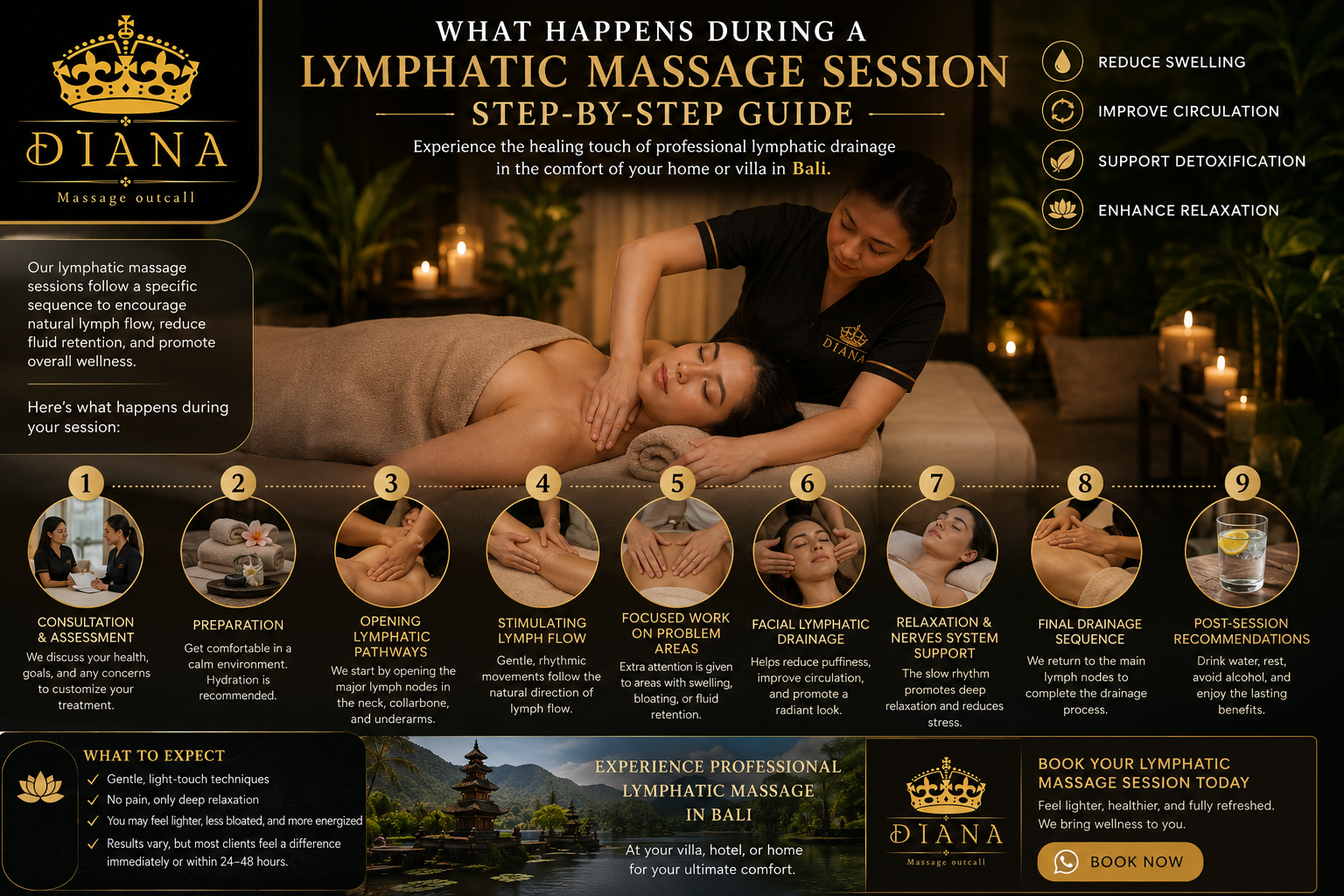
Lymphatic Massage Session experiences often raise the same question among first time clients in Bali: what actually happens during the treatment, and will it feel different from a regular massage?
Many visitors book a lymphatic massage because they feel bloated after long flights, notice water retention from tropical weather, experience sluggish circulation, or want faster recovery after cosmetic procedures. Yet, uncertainty about the process can create hesitation.
Will it be painful? How long does it take? What should you wear? How soon will you notice results?
As practitioners who regularly work with travelers, expats, wellness enthusiasts, and post surgery clients in Bali, we have found that understanding each Lymphatic Massage Step beforehand helps clients feel more comfortable and achieve better outcomes.
This guide explains exactly what happens during a professional lymphatic massage appointment from start to finish, so you know what to expect before arriving.
Understanding the Purpose of a Lymphatic Massage Session
Unlike deep tissue massage that focuses on muscles, a Lymphatic Massage Session targets the lymphatic system, a network responsible for transporting excess fluid, waste products, and toxins throughout the body.
When lymph flow becomes sluggish due to travel, stress, inactivity, surgery, or inflammation, many people notice symptoms such as:
- Puffiness in the face
- Swollen legs and ankles
- Water retention
- Heavy body sensation
- Fatigue
- Slow recovery after procedures
A properly performed lymphatic home massage or professional clinic treatment uses gentle, rhythmic techniques designed to encourage natural lymph movement.
The goal is not force. In fact, excessive pressure can reduce effectiveness because lymph vessels sit just beneath the skin.
Step 1: Initial Consultation and Health Assessment
Why This Step Matters
Every effective Lymphatic Massage Session begins with a consultation.
Before any hands on treatment starts, an experienced therapist will ask questions about:
- Current symptoms
- Medical history
- Recent surgeries
- Medications
- Existing health conditions
- Hydration habits
- Lifestyle factors
In Bali, many clients seek treatment after long international flights or cosmetic procedures. These situations require specific treatment adjustments.
What Clients Usually Discuss
Common concerns include:
- Abdominal bloating
- Facial puffiness
- Post surgery swelling
- Fluid retention
- Recovery support
- General detox goals
This assessment allows the therapist to create a personalized treatment plan rather than applying a generic protocol.
Step 2: Preparing for the Massage
Getting Comfortable
Once the consultation is complete, clients are guided to a comfortable treatment area.
Depending on the treatment focus, you may be asked to:
- Change into disposable garments
- Wear loose clothing
- Remove jewelry
- Lie comfortably on the massage table
Professional therapists prioritize privacy and comfort throughout the session.
Many clients are surprised by how relaxing the environment feels compared to medical treatments.
Hydration Check
Hydration plays a significant role in lymphatic function.
A therapist may recommend drinking water before your appointment because proper hydration supports fluid movement during the massage process.
Step 3: Opening the Main Lymphatic Pathways
The Most Important Lymphatic Massage Step
One of the most overlooked aspects of a professional Lymphatic Massage Step sequence is opening the major lymphatic drainage points first.
This stage often begins around:
- Neck
- Collarbone area
- Underarm region
- Abdomen
These areas act as drainage gateways.
Think of it like clearing the main roads before directing traffic from smaller streets.
Without preparing these pathways, fluid movement becomes less efficient.
What It Feels Like
Most first time clients expect firm pressure.
Instead, the touch feels:
- Gentle
- Rhythmic
- Slow
- Repetitive
Many people compare it to light skin stretching rather than traditional massage.
Step 4: Stimulating Lymph Flow Throughout the Body
Encouraging Natural Drainage
After opening the primary pathways, the therapist begins working through targeted areas of the body.
The exact sequence depends on your goals.
Common treatment zones include:
- Legs
- Arms
- Abdomen
- Back
- Face
- Hips
Each movement follows the natural direction of lymph flow.
This is where proper training becomes essential because incorrect technique can limit effectiveness.
Why Gentle Pressure Works Better
A common misconception is that stronger pressure creates faster results.
In reality, lymph vessels sit close to the skin surface.
Applying excessive force may compress these delicate structures.
Professional therapists use controlled movements that stimulate lymph circulation without overwhelming the system.
Step 5: Focused Work on Problem Areas
Personalized Treatment Areas
During a Lymphatic Massage Session, certain regions may receive extra attention.
Examples include:
For Travelers
Long flights often contribute to:
- Swollen ankles
- Heavy legs
- Fluid retention
Therapists typically focus on improving lower body circulation.
For Wellness Clients
Many Bali visitors request abdominal drainage support.
Treatment may focus on:
- Digestive comfort
- Bloating reduction
- Fluid movement
For Post Surgery Recovery
Post operative clients often require specialized techniques to support healing and reduce swelling.
These treatments must always be performed by therapists experienced in post surgical lymphatic drainage.
Step 6: Facial Lymphatic Drainage Techniques
A Popular Addition in Bali
Many clients combine body treatment with facial lymphatic drainage.
This portion typically addresses:
- Puffy eyes
- Facial swelling
- Jaw tension
- Dull skin appearance
Gentle movements encourage fluid drainage toward nearby lymph nodes.
Many clients report noticing immediate improvements in facial definition and overall freshness.
Why Travelers Love Facial Drainage
Air travel, dehydration, and changes in sleep patterns frequently contribute to facial puffiness.
Facial lymphatic work helps restore a more refreshed appearance without invasive procedures.
Step 7: Relaxation and Nervous System Support
An Unexpected Benefit
Many people book a Lymphatic Massage Session expecting only physical benefits.
What surprises them most is the profound relaxation.
The slow rhythm often activates the parasympathetic nervous system, commonly known as the rest and recovery state.
Clients frequently report:
- Better sleep
- Reduced stress
- Mental clarity
- Improved mood
This calming effect can continue long after the session ends.
Step 8: Final Drainage Sequence
Completing the Treatment
Near the end of the appointment, the therapist returns to the primary drainage areas opened earlier.
This final Lymphatic Massage Step helps guide mobilized fluid through the body’s natural elimination pathways.
The process ensures the session concludes with optimal drainage support.
At this stage, many clients notice:
- A lighter feeling
- Reduced tightness
- Improved comfort
- Increased relaxation
Step 9: Post Session Recommendations
What Happens After the Massage?
A professional therapist will provide aftercare guidance.
Common recommendations include:
- Drink extra water
- Avoid excessive alcohol
- Take a gentle walk
- Eat nourishing foods
- Rest if needed
These simple actions help maximize the benefits of treatment.
Is It Normal to Feel Different?
Yes.
Many clients experience:
- Increased urination
- Reduced swelling
- Improved energy
- Better sleep
- Temporary fatigue as the body adjusts
Responses vary depending on hydration, health status, and treatment goals.
Real Client Experiences from Bali
Case Study 1: Long Haul Traveler
A visitor arriving from Europe experienced significant ankle swelling after a 16 hour journey.
After one professional Lymphatic Massage Session, she reported noticeably lighter legs and improved comfort while walking around Bali.
Case Study 2: Wellness Retreat Guest
A client attending a wellness retreat complained of persistent abdominal bloating.
Following several sessions combined with proper hydration, she noticed improved comfort and less abdominal heaviness.
Case Study 3: Post Surgery Recovery
A post operative client sought specialized lymphatic drainage support.
Under guidance from trained therapists, swelling gradually reduced while overall recovery comfort improved.
Individual results always vary, but these experiences highlight why personalized treatment matters.
Practical Tips from Professional Lymphatic Massage Therapists
Arrive Well Hydrated
Hydrated tissues respond more effectively to treatment.
Avoid Heavy Meals Before Treatment
A lighter meal often enhances comfort during abdominal work.
Wear Comfortable Clothing
Loose clothing helps you relax before and after the session.
Follow the Recommended Treatment Schedule
Some clients benefit from multiple sessions rather than a single appointment.
Choose Qualified Practitioners
Not all massage therapists are trained in lymphatic drainage techniques.
Experience and specialized education make a significant difference in results.
How Often Should You Book a Lymphatic Massage Session?
Frequency depends on your goals.
General wellness clients often schedule sessions:
- Weekly
- Biweekly
- Monthly
Travelers may benefit from treatment before or after flights.
Post surgery clients typically follow practitioner recommendations based on recovery needs.
An experienced therapist can help determine the ideal schedule for your situation.
Frequently Asked Questions
Is a Lymphatic Massage Session painful?
No. Most clients describe the treatment as gentle and relaxing. Significant discomfort is uncommon when performed correctly.
How long does a lymphatic massage session take?
Most sessions range from 60 to 120 minutes depending on treatment goals and body areas involved.
Can I book a lymphatic home massage in Bali?
Yes. Many professional providers offer lymphatic home massage services, allowing clients to receive treatment in villas, hotels, or private residences.
How soon will I notice results?
Some clients feel lighter immediately after treatment, while others notice changes over the following 24 to 48 hours.
What should I do after the massage?
Drink water, stay active with gentle movement, and follow any aftercare recommendations provided by your therapist.
Is lymphatic massage suitable after surgery?
Specialized post surgery lymphatic drainage may be recommended by healthcare professionals. Always work with therapists trained in post operative care.
Conclusion
Understanding what happens during a Lymphatic Massage Session can remove uncertainty and help you feel confident before booking treatment.
From the initial consultation and opening drainage pathways to targeted fluid movement and aftercare guidance, every Lymphatic Massage Step serves a specific purpose. When performed correctly, the treatment supports circulation, reduces swelling, enhances relaxation, and helps clients feel lighter and more comfortable.
Whether you are recovering from travel, managing fluid retention, seeking wellness support, or looking for professional post surgery care, lymphatic drainage can be a valuable part of your health routine.
If you are looking for a trusted lymphatic home massage service in Bali, our experienced therapists provide personalized treatments tailored to your specific needs. Visit our main service page today to learn more about available appointments and discover how professional lymphatic drainage can help you feel your best while enjoying your time in Bali.