Why Many Patients Feel Unprepared After Surgery in Bali
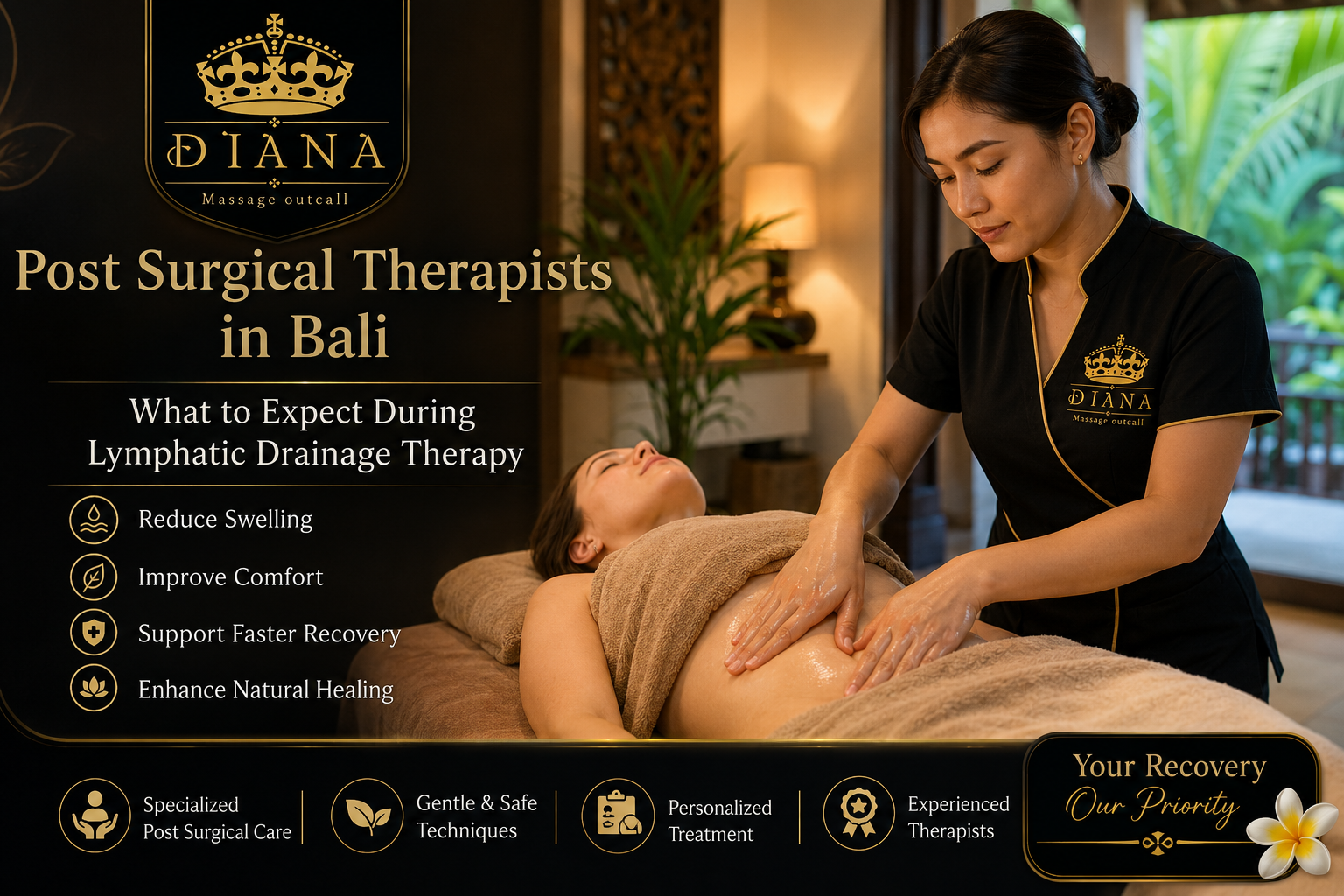
Post Surgical Therapists in Bali often meet patients who arrive feeling anxious because no one fully explained what happens after surgery. Many international patients expect that once the procedure is finished, the recovery process will simply take care of itself. The reality is very different.
Swelling becomes more noticeable after the first few days. Tightness around the treated area can make movement uncomfortable. Fluid accumulation may create uneven contours that worry patients even when healing is progressing normally.
This situation is particularly common among visitors who travel to Bali for cosmetic surgery recovery or wellness focused healing retreats. Patients frequently search for professional guidance because they want to reduce swelling faster, improve comfort, and support better surgical outcomes.
This is where experienced Post Surgical Therapists become an essential part of the recovery journey.
In Bali, lymphatic drainage therapy has become one of the most requested post operative treatments among patients recovering from liposuction, tummy tuck procedures, breast surgery, facial surgery, body contouring, and reconstructive procedures.
Understanding what to expect during treatment helps patients feel more confident and allows them to get the maximum benefit from each session.
What Makes Post Surgical Lymphatic Drainage Different From Regular Massage
Many patients make the mistake of booking a traditional massage shortly after surgery. Unfortunately, standard massage techniques are often too aggressive for healing tissues.
Professional Post Surgical Therapists use highly specialized techniques specifically designed for patients recovering from surgical procedures.
The movements are slow, precise, and intentionally gentle.
Instead of pressing deeply into muscles, the therapist works to stimulate lymphatic pathways and encourage excess fluid to move toward functioning lymph nodes where the body can naturally process and eliminate it.
During the first appointment, experienced Post Surgical Therapists carefully evaluate several factors before beginning treatment.
Type of Surgical Procedure
Recovery requirements after liposuction are very different from those following breast augmentation or facial surgery.
Each procedure creates unique swelling patterns and tissue responses.
Stage of Healing
The first week after surgery requires a completely different approach compared with the fourth or sixth week of recovery.
Therapists adjust pressure levels and treatment areas according to healing progress.
Presence of Fibrosis
Some patients begin developing hard areas beneath the skin during recovery.
Early intervention from skilled Post Surgical Therapists can help reduce fibrosis formation and improve tissue flexibility.
Existing Swelling Patterns
Not all swelling behaves the same way.
Localized fluid pockets require a different treatment strategy compared with generalized inflammation.
What Happens During Your First Lymphatic Drainage Session in Bali
Patients are often surprised by how relaxing the treatment feels.
The first session usually begins with a detailed consultation discussing surgery dates, medical clearance, medications, compression garments, and current symptoms.
Experienced Post Surgical Therapists will ask about areas of discomfort, mobility restrictions, and changes noticed since surgery.
Photographs may be taken to document progress throughout the recovery period.
This helps both therapist and patient monitor changes objectively.
Assessment of Swelling and Tissue Condition
Before touching the surgical area, therapists examine the skin for signs of fluid retention, redness, bruising, fibrosis, or unusual sensitivity.
Professional observation plays an important role in identifying whether healing appears normal or if additional medical evaluation may be needed.
Gentle Opening of Lymphatic Pathways
One aspect that surprises many patients is that treatment often begins away from the surgical site.
Therapists first stimulate healthy lymphatic regions to create space for fluid movement.
This preparation stage improves drainage efficiency during the remainder of the session.
Controlled Fluid Mobilization
The therapist then uses slow directional movements designed to guide accumulated fluid toward active lymphatic channels.
The pressure is extremely light.
Many patients compare it to the sensation of skin stretching rather than massage pressure.
Treatment Duration
Most sessions last between 60 and 90 minutes depending on surgical complexity and swelling severity.
Experienced Post Surgical Therapists may recommend shorter sessions during the earliest recovery stages to avoid overstimulation.
What Patients Typically Feel During and After Treatment
One of the biggest misconceptions surrounding lymphatic drainage is that stronger pressure creates better results.
The opposite is usually true.
The lymphatic system sits very close to the skin surface and responds best to gentle stimulation.
Most patients report feeling lighter immediately after treatment.
Compression garments often feel looser within hours.
Some notice increased urination later in the day as the body processes mobilized fluids.
Others experience improved flexibility and reduced tightness around surgical areas.
Professional Post Surgical Therapists frequently hear comments such as:
“My abdomen feels softer.”
“I can stand straighter now.”
“My compression garment suddenly feels less restrictive.”
“My swelling looks noticeably better.”
These early improvements often motivate patients to continue their recovery program consistently.
Benefits of Working With Experienced Post Surgical Therapists in Bali
Choosing experienced Post Surgical Therapists provides benefits that extend beyond temporary swelling reduction.
Faster Reduction of Post Operative Swelling
Fluid retention is a normal response to surgery.
However, prolonged swelling can delay comfort and make results difficult to appreciate.
Lymphatic drainage encourages the body to process excess fluid more efficiently.
Improved Comfort During Recovery
Swelling creates pressure.
Pressure creates discomfort.
Reducing fluid accumulation often improves sleep quality, mobility, and daily activities.
Reduced Risk of Fibrosis Formation
Fibrosis can create firm areas beneath the skin that affect appearance and texture.
Early intervention from knowledgeable Post Surgical Therapists may help reduce this risk significantly.
Better Skin Adaptation After Body Contouring Procedures
Following liposuction or tummy tuck procedures, the skin needs time to adapt to new contours.
Managing swelling effectively may contribute to smoother healing outcomes.
Enhanced Circulation and Tissue Recovery
Improved lymphatic movement supports the body’s natural healing processes.
Many patients report feeling more energetic after treatment sessions.
Why Bali Has Become a Popular Destination for Post Surgical Recovery
Bali offers a unique combination of wellness infrastructure, recovery friendly accommodation, and experienced therapists familiar with international patients.
Many clinics and recovery centers now collaborate directly with Post Surgical Therapists to create structured healing programs.
Patients recovering in Bali often appreciate the calmer environment compared with returning immediately to busy urban lifestyles.
The slower pace allows greater focus on hydration, nutrition, rest, and movement.
These factors contribute significantly to successful recovery outcomes.
Another advantage is the availability of therapists who understand the specific needs associated with cosmetic surgery recovery.
This experience matters.
A therapist who treats post surgical patients every day will often identify subtle issues long before they become major concerns.
A Real Recovery Experience From a Bali Patient
One international patient arrived in Bali seven days after liposuction and abdominal contouring surgery performed overseas.
She was worried because swelling seemed to increase despite wearing compression garments exactly as instructed.
Walking felt uncomfortable and she feared something had gone wrong.
During assessment, experienced Post Surgical Therapists identified significant fluid accumulation but no signs of medical complications.
Treatment focused on opening proximal lymphatic pathways before gradually addressing the abdominal area.
After the third session, measurements showed noticeable reduction in swelling.
The patient reported easier movement and improved sleep.
By the sixth session, skin texture had softened considerably and visible contour definition became clearer.
Perhaps the most important outcome was emotional reassurance.
Understanding that swelling follows predictable healing patterns helped reduce unnecessary stress during recovery.
Practical Advice From Experienced Post Surgical Therapists
Stay Hydrated Even If You Feel Swollen
Many patients reduce water intake because they assume drinking less water will reduce swelling.
The opposite often happens.
Adequate hydration supports lymphatic function and helps the body eliminate waste products more efficiently.
Wear Compression Garments Correctly
Compression garments work together with lymphatic drainage therapy.
Garments that are too loose may be ineffective.
Garments that are too tight can restrict circulation and create additional discomfort.
Avoid Comparing Your Recovery With Others
Healing timelines vary significantly.
Age, procedure type, surgical technique, activity levels, and medical history all influence recovery speed.
Move Regularly Throughout the Day
Gentle walking supports circulation and lymphatic movement.
Even short periods of movement can help reduce stiffness.
Follow the Recommended Treatment Schedule
Professional Post Surgical Therapists often recommend a series of sessions rather than isolated appointments.
Consistency usually produces better outcomes than occasional treatments.
How Many Sessions Are Usually Recommended?
This is one of the most common questions patients ask.
The answer depends on several variables.
Minor procedures may require only a few sessions.
More extensive body contouring surgeries often benefit from ten to fifteen sessions spread across several weeks.
Experienced Post Surgical Therapists typically adjust recommendations based on swelling progression and tissue response.
The goal is not simply to complete a certain number of treatments.
The goal is to support the body during each stage of healing.
How to Choose the Right Post Surgical Therapist in Bali
Not every massage therapist has post surgical training.
Patients should ask important questions before booking treatment.
Do They Specialize in Post Surgical Recovery?
Experience with surgical patients matters more than experience with relaxation massage.
Are They Familiar With Your Procedure Type?
Different surgeries require different treatment strategies.
Procedure specific knowledge improves safety and effectiveness.
Do They Communicate With Surgeons When Necessary?
The best Post Surgical Therapists understand the importance of multidisciplinary care.
Communication with medical professionals improves continuity of treatment.
Do They Adapt Treatments According to Healing Progress?
Recovery is dynamic.
Treatment plans should evolve accordingly.
Frequently Asked Questions
When should I start lymphatic drainage after surgery?
Many surgeons recommend starting within the first few days after surgery, although timing varies depending on the procedure and medical advice. Always obtain clearance from your surgeon before beginning treatment.
Is lymphatic drainage therapy painful?
No. Properly performed treatment is usually very gentle and comfortable. Significant pain may indicate that techniques are too aggressive for post operative tissues.
Can lymphatic drainage remove fibrosis?
Early intervention may help reduce fibrosis formation and improve tissue softness. Established fibrosis often requires a more comprehensive treatment plan over time.
How long does swelling last after surgery?
Swelling timelines vary according to procedure type and individual healing responses. Some swelling may improve within weeks while residual swelling can continue to resolve over several months.
Can I combine lymphatic drainage with compression garments?
Yes. Compression therapy and lymphatic drainage are commonly used together because they support each other during recovery.
Conclusion
Recovery does not end when surgery is completed.
For many patients, the healing phase determines how comfortable they feel and how confidently they view their final results.
Experienced Post Surgical Therapists play an important role in managing swelling, supporting tissue recovery, reducing discomfort, and helping patients navigate the emotional side of post operative healing.
Understanding what happens during lymphatic drainage therapy removes uncertainty and allows patients to approach treatment with realistic expectations.
For patients recovering in Bali, access to experienced therapists and wellness focused recovery environments provides an opportunity to heal with greater confidence and support.
If you are planning surgery or are already in the recovery phase, professional guidance from qualified Post Surgical Therapists may become one of the most valuable investments you make in your healing journey.
Explore professional recovery services, discuss your needs with an experienced practitioner, and create a treatment plan that supports both comfort and long term results.