What Happens to Your Body During a Lymphatic Drainage Massage
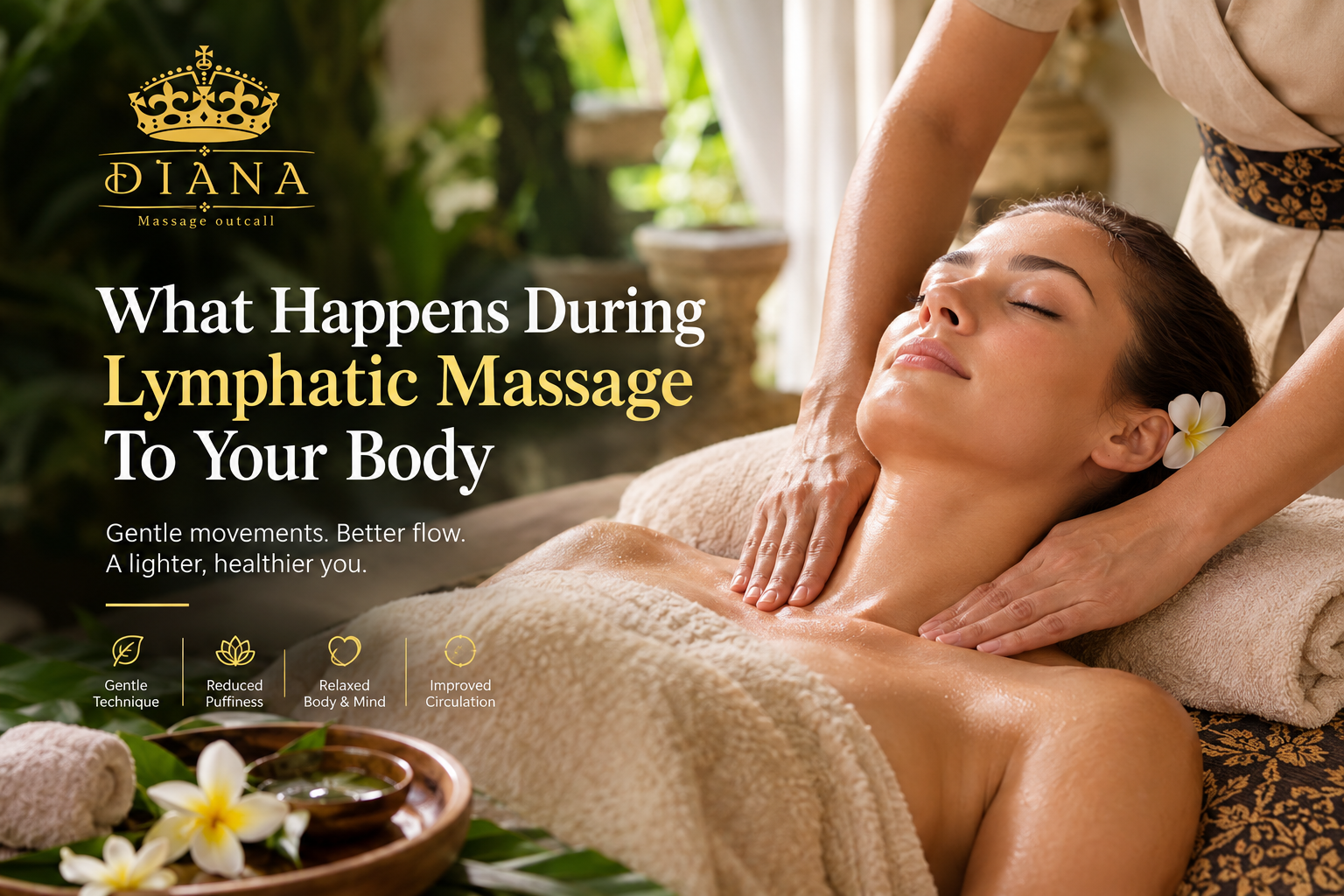
What Happens During Lymphatic Massage is a common question for anyone considering this gentle treatment for the first time. You may be wondering whether the massage will feel deep, whether you will sweat or urinate more afterward, or whether you should expect immediate changes in swelling and puffiness. These questions are especially common after long flights, busy travel days in Bali, periods of sitting for hours, or when your body simply feels heavy and uncomfortable.
What Happens During Lymphatic Massage: A Practical Look at the Treatment
At Diana Aprilia Relaxing Spa, understanding what happens during lymphatic massage starts with one important point: this is not designed to feel like a deep tissue massage. The therapist uses light, rhythmic movements rather than forceful pressure. The goal is to work with superficial lymphatic pathways and encourage fluid movement toward areas where lymph can continue its normal drainage process.
What Happens During Lymphatic Massage can therefore feel surprisingly subtle. Instead of strong kneading, you may notice gentle stretching and sweeping movements across the skin. Some areas may receive repeated movements while others are treated more briefly depending on your goals and the areas you want to address.
A professional Lymphatic Drainage Massage session should also begin with communication. Before the treatment starts, the therapist should understand why you booked the session, whether you have swelling or puffiness, which areas concern you, and whether there are relevant medical conditions or recent procedures that need professional clearance.
This preparation matters because lymphatic massage is not simply a standard full body massage performed more gently. The sequence and direction of the movements are important. Medical sources describe manual lymphatic drainage as a specialized technique that encourages lymph fluid to move away from swollen areas toward functioning lymph vessels and lymph nodes.
What Happens During Lymphatic Massage From Start to Finish
Knowing the typical sequence can make your first appointment much more comfortable.
1. Your Therapist Discusses Your Goals
The first part of What Happens During Lymphatic Massage is often the conversation before hands on treatment begins.
You might explain that your face looks puffy after traveling, your legs feel heavy after spending the day walking around Bali, or you simply want a gentle wellness focused massage.
If you have a diagnosed condition such as lymphedema, your situation is different. Medical treatment for lymphedema can involve manual lymphatic drainage together with compression, exercise and skin care. NHS guidance describes manual lymphatic drainage as one component of broader decongestive lymphatic therapy.
2. The Session Usually Starts Gently
Another important part of What Happens During Lymphatic Massage is that treatment generally begins with gentle work rather than immediately focusing on the area that looks swollen.
A trained practitioner may begin around areas associated with major lymphatic drainage pathways before working toward areas of concern. This approach is intended to prepare the pathways and create a route for fluid movement.
Cleveland Clinic describes the process as beginning with stimulation around areas containing lymph nodes, followed by gentle techniques that encourage fluid away from swollen tissues.
3. Light Pressure Is Used
Many first time clients expect the therapist to press firmly because they assume stronger pressure will produce better results.
With Lymphatic Drainage Massage, that assumption does not apply.
The technique generally uses light pressure because much of the lymphatic network being addressed is relatively superficial. Cleveland Clinic specifically describes lymphatic self massage as requiring a light touch rather than pressure deep into muscle tissue.
During a professional session, the movements may feel like slow skin stretching, gentle circles, pumping motions or carefully directed strokes.
If you are accustomed to deep tissue massage, the first few minutes may feel almost too gentle. That does not necessarily mean the technique is ineffective. Lymphatic work has a different purpose and method.
4. The Therapist Works With the Direction of Fluid Movement
Understanding What Happens During Lymphatic Massage becomes easier when you stop thinking about the treatment as muscle massage.
The therapist is not trying to break up muscle tension using deep pressure. Instead, the treatment focuses on encouraging lymphatic fluid movement through appropriate pathways.
For someone experiencing temporary puffiness, this may mean the therapist spends time around the neck, upper body, abdomen, arms or legs depending on the treatment plan.
The exact sequence can vary because a good session should be adapted to the person rather than performed as an identical routine for everyone.
5. The Treatment Continues Through the Areas You Selected
Once the initial areas have been prepared, the therapist may gradually work through the areas that brought you to the appointment.
For example, someone concerned about facial puffiness may receive gentle work around the face, neck and upper body.
Someone experiencing a feeling of heavy legs after a long day may receive attention around the lower body.
Someone interested in a general wellness session may choose a broader treatment.
This is one reason Lymphatic Drainage Massage Bali services can differ considerably between providers. The quality of the experience depends not only on the environment but also on whether the therapist understands the purpose and appropriate pressure of lymphatic techniques.
What Does Lymphatic Massage Feel Like?
If you have never experienced What Happens During Lymphatic Massage, the sensation can be difficult to imagine.
The treatment is usually much lighter than deep tissue massage. You may feel repetitive, rhythmic movements across the skin. Some movements may feel almost like a gentle stretch rather than traditional massage.
You should not feel that you need to tolerate significant pain.
In fact, discomfort should be communicated immediately. Cleveland Clinic recommends discussing the technique and comfort level with your therapist and speaking up if massage becomes painful or uncomfortable.
Some people feel deeply relaxed during the session because there is little aggressive pressure and the movements are slow and repetitive.
Others notice that their body feels different afterward. That difference can range from feeling relaxed to noticing temporary changes in areas affected by fluid retention.
What Happens to Your Body After Lymphatic Massage?
This is where expectations need to remain realistic.
What Happens During Lymphatic Massage does not mean that your body suddenly removes every toxin or that one session permanently changes your lymphatic system.
The more realistic goal is to support fluid movement and, where appropriate, help manage swelling.
Manual lymphatic drainage is particularly relevant to lymphedema management. However, it is not a standalone cure for lymphedema. NHS guidance explains that decongestive lymphatic therapy combines several components, including compression, exercise, skin care and specialized massage.
For people booking a wellness focused massage in Bali, the experience may instead center on relaxation, temporary puffiness and the feeling of being lighter or less congested.
Results are individual. Cleveland Clinic notes that people without lymphedema may not experience meaningful results from lymphatic massage.
Common Changes People Notice After a Session
A More Relaxed Feeling
One of the most immediate experiences after What Happens During Lymphatic Massage may simply be relaxation.
Because the treatment uses slow and gentle movements, many clients find it easier to relax during the session than during a massage involving intense pressure.
This can be particularly appealing after a long travel day in Bali.
Temporary Reduction in Puffiness
Some people seek Lymphatic Drainage Massage because they notice puffiness in areas such as the face, hands, ankles or legs.
Lymphatic drainage may help move excess fluid from tissues toward functioning lymphatic pathways. Cleveland Clinic identifies reduction in swelling as one of the main purposes of the technique.
However, visible results should not be guaranteed. Puffiness can have many causes, and massage cannot address every underlying cause.
A Feeling of Less Heaviness
Clients sometimes describe their body as feeling lighter after a gentle lymphatic session.
This may be especially noticeable when the original complaint involved temporary swelling or fluid retention.
It is better to view this as a possible short term experience rather than a guaranteed medical outcome.
Temporary Fatigue
Another part of What Happens During Lymphatic Massage that surprises some people is feeling tired afterward.
Cleveland Clinic notes that fatigue, headache or nausea can occur in some people following lymphatic massage.
If you feel unusually unwell, persistent symptoms should not simply be attributed to massage. Contact a healthcare professional when appropriate.
A Practical Bali Example: After a Long Travel Day
Consider a traveler arriving in Bali after a long flight.
They have spent hours sitting, followed by airport transfers, hotel check in and perhaps an evening walking around the resort area. By the end of the day, their ankles may look slightly puffy and their body may feel heavy.
They book a Lymphatic Massage Bali session expecting a strong massage.
Instead, the therapist explains that lymphatic work uses a lighter approach.
The session begins gently. Rather than immediately pressing hard on the ankles, the therapist works through appropriate areas before gradually addressing the lower body.
The client may notice that the massage feels completely different from a Balinese deep tissue treatment.
Afterward, the most useful observation is not whether the body has been magically detoxed. The more practical question is whether the person feels more comfortable and relaxed and whether temporary puffiness appears different.
This example illustrates why What Happens During Lymphatic Massage is more useful to understand than simply asking whether lymphatic massage is good or bad.
Practical Tips Before Your Lymphatic Massage in Bali
Do Not Arrive With Unrealistic Expectations
Before booking Lymphatic Drainage Massage Bali, decide what you actually want from the session.
Are you looking for relaxation?
Are you concerned about temporary puffiness?
Are you managing diagnosed lymphedema?
Are you recovering from surgery?
These are very different situations.
If you have a medical condition or recent surgery, medical advice should come before treating massage as a wellness solution.
Choose Gentle Techniques
If the service is marketed specifically as lymphatic drainage, ask how the treatment differs from deep tissue massage.
A practitioner should be able to explain why the pressure is light and how the session is structured.
If the therapist immediately promises dramatic detoxification, permanent weight loss or guaranteed medical results, consider that a reason to ask more questions before booking.
Tell the Therapist About Relevant Health Issues
This is one of the most important practical lessons when considering What Happens During Lymphatic Massage.
Cleveland Clinic advises avoiding lymphatic massage in situations including blood clots, deep vein thrombosis, cellulitis, fever, infection, certain heart conditions and kidney failure.
People receiving cancer treatment or managing lymphedema should discuss appropriate care with their healthcare provider. The National Cancer Institute describes manual lymphatic drainage as part of professional lymphedema management in appropriate cases.
Drink Normally and Listen to Your Body
There is no need to force excessive amounts of water simply because you had a massage.
Instead, maintain normal hydration and pay attention to how you feel.
If you feel tired after the session, allow yourself time to rest rather than immediately scheduling intense physical activity.
Lymphatic Massage vs Deep Tissue Massage
Understanding the difference can prevent disappointment.
Lymphatic Drainage Massage uses gentle, targeted movements designed to support lymph fluid movement.
Deep tissue massage generally uses stronger pressure to address muscular tension and soft tissue discomfort.
They are therefore not interchangeable treatments.
If your primary goal is relaxing while experiencing a gentle treatment, lymphatic massage may feel very different from a traditional Balinese massage.
If your primary concern is severe muscular tightness, another massage style may be more appropriate.
The right choice depends on your goal rather than the idea that one technique is universally better.
How Long Does Lymphatic Massage Take?
The duration depends on the provider and the area being treated.
Some Bali providers offer shorter sessions while others provide longer full body treatments. Current Bali marketplace listings show that lymphatic drainage services are available in different durations and locations across the island.
For a first appointment, discussing your concerns before selecting the duration can be more useful than automatically choosing the longest session.
A longer treatment is not automatically a better treatment.
Is Lymphatic Massage Safe for Everyone?
No massage technique is appropriate for everyone.
This is particularly important with lymphatic massage because swelling can sometimes have an underlying medical cause.
If swelling appears suddenly, is painful, is accompanied by redness or warmth, or occurs with other concerning symptoms, medical evaluation is more appropriate than simply booking a massage.
People with diagnosed lymphedema should also understand that professional lymphatic drainage may be only one part of a broader treatment plan. The NHS and National Cancer Institute both describe lymphatic drainage within broader approaches to lymphedema management.
Frequently Asked Questions About What Happens During Lymphatic Massage
Does lymphatic massage hurt?
Usually, lymphatic massage is intended to be gentle rather than painful. If the pressure feels uncomfortable, tell your therapist immediately. The technique is different from deep tissue massage, so stronger pressure is not necessarily better.
What happens during lymphatic massage for the first time?
Your first session will typically involve a discussion about your goals followed by gentle, rhythmic movements. The therapist may begin around important lymphatic drainage areas before gradually working toward the areas you want addressed.
How will I feel after lymphatic drainage massage?
Some people feel relaxed or lighter after treatment. Others may experience temporary fatigue, headache or nausea. Individual responses vary, and persistent or concerning symptoms should be discussed with a healthcare professional.
Can lymphatic massage reduce swelling?
Manual lymphatic drainage can help manage swelling in appropriate situations, particularly as part of lymphedema care. It is not a guaranteed solution for every type of swelling. Persistent or unexplained swelling should be medically assessed.
How often should I have lymphatic drainage massage?
There is no universal schedule for everyone. People receiving medical lymphedema treatment may have a structured treatment plan, while wellness clients may book sessions according to their personal goals. If you have a medical condition, follow your healthcare provider’s recommendations.
Is lymphatic massage the same as a regular Balinese massage?
No. Traditional Balinese massage and lymphatic drainage massage use different approaches. Lymphatic drainage generally uses much lighter pressure and specific movements designed around lymphatic pathways.
Can I book lymphatic massage after traveling to Bali?
Many travelers choose gentle massage after arriving in Bali, but you should consider your individual health circumstances. If you have significant swelling, pain, recent surgery, a history of blood clots or another medical concern, seek appropriate medical advice before treatment.
Final Thoughts on What Happens During Lymphatic Massage
Understanding What Happens During Lymphatic Massage helps you approach your appointment with realistic expectations.
The treatment is gentle. The pressure is usually light. The therapist may prepare certain lymphatic drainage areas before working toward areas where fluid or puffiness is a concern.
The most important difference from conventional massage is the purpose and technique.
Lymphatic Drainage Massage is not about using maximum pressure. It is about using appropriate movements and a thoughtful sequence to encourage lymph fluid movement.
For wellness clients in Bali, the experience can provide a calm break from travel, long days, heat, walking and busy schedules. For people managing lymphedema, lymphatic drainage can be part of a broader professional treatment plan rather than a standalone cure.
If you are considering a Lymphatic Massage Bali session, choose a practitioner who can explain the technique clearly, listen to your goals and recognize when a medical concern requires professional healthcare advice.
For more information about available services, Visit Website and explore the treatment options before choosing the session that matches your needs. When you are ready for a gentle wellness experience in Bali, you can Book a Treatment and discuss your preferred focus with the therapist before the session begins.